Stable
1.10.10117
Daily-driver build with the safest release cadence.
- Updated
- 2 days ago
- File Size
- 536.7 MB
- Release Notes
- Open notes
Stable is the recommended track for most users. Alpha gets you the newest capabilities first.
Daily-driver build with the safest release cadence.
Fastest release track with the newest features and experiments.
Every release stays linked here so you can inspect what changed before you switch versions.
A new option is now available in Settings: Automatic update downloads.
When enabled, new versions will be downloaded in the background as soon as they become available, so you can install updates much faster than before.

Infrastructure changes have been rolled out that significantly improve the performance of sending and receiving network messages. This can be used to build a network of interconnected EyeAuras instances that perform actions together, such as remote control, multiboxing, and similar setups.
There are now multiple hubs in each region (RU/EU), and the system will try to choose the one closest to your physical location. This should noticeably reduce latency, especially for RU/CIS users, who previously sometimes used EU servers even for internal traffic. Select the hub closest to you, and the new routing rules will try to use the server in that region that provides the best latency.

As with any infrastructure change, there is always a chance that something might break. If you notice increased latency (or even just higher perceived latency), or something does not work as expected, please let me know.
In addition to deploying extra servers and adjusting routing, I also changed how network messages are processed, which should further improve overall latency. You can now see the latency for each message directly next to its timestamp. Latency is calculated using the sender's and receiver's local time (in UTC, so the time zone does not matter), which means the value may be somewhat inaccurate if the clocks are not synchronized.
In my own testing, latency dropped from ~100ms to ~20ms after the server-side changes.
As far as I know, there are not many users in the US right now, so expanding the infrastructure into a US region is mostly a matter of financial viability. Everything is technically ready, though, so when the time comes, I will add US servers.
Every action, trigger, and overlay can now be Ignored. This is controlled by the checkbox to the left of its name and, effectively, makes the ignored entity behave as if it does not exist.
This is especially useful when debugging or configuring something and you want to temporarily disable part of an aura.
P.S. This change does not affect C# scripting.
The TextSearch trigger now includes new options in the "Symbols" dropdown. These let you use Windows-based optical character recognition (OCR) to convert images into text. In testing, this approach proved to be more reliable and performant than the previous Tesseract-based OCR used in EyeAuras.
Please note: to use Windows OCR, you must install the required language pack in Windows. For example, if you want to recognize Spanish characters, the Spanish language pack must be installed on your system.
There is also one limitation that still needs to be addressed: Windows OCR does not support multilingual OCR. In practice, this means it cannot recognize Russian and English characters in the same sentence, for example. There are some well-known workarounds for this, but this method should first be tested as-is, without additional logic layered on top.
A few tips:
To address the legal side of things, I added a mandatory license agreement. It states that the user is solely responsible for complying with the license agreements of any applications they automate.
As many of you know, games often explicitly state that automating actions in any form is prohibited and may result in a ban. Please keep this in mind.
For EyeAuras to work effectively, the window receiving input usually needs to be active. If it is not, EyeAuras includes several methods to automatically bring it to the foreground.
At first glance, this may seem like a simple one-line API call. However, due to various Windows-specific quirks, it is not that straightforward. As a result, I implemented several mechanisms to improve the chances of success.
In this release, I added more code to improve reliability, especially in edge cases and with applications that resist automated activation.
In short: if you are having trouble with window activation—for example, if a window does not become active when you send input—please contact me, as this version includes adjustments in that area.
This may be useful for users in Russia/CIS: YooKassa is available again, and card payments are supported once more.
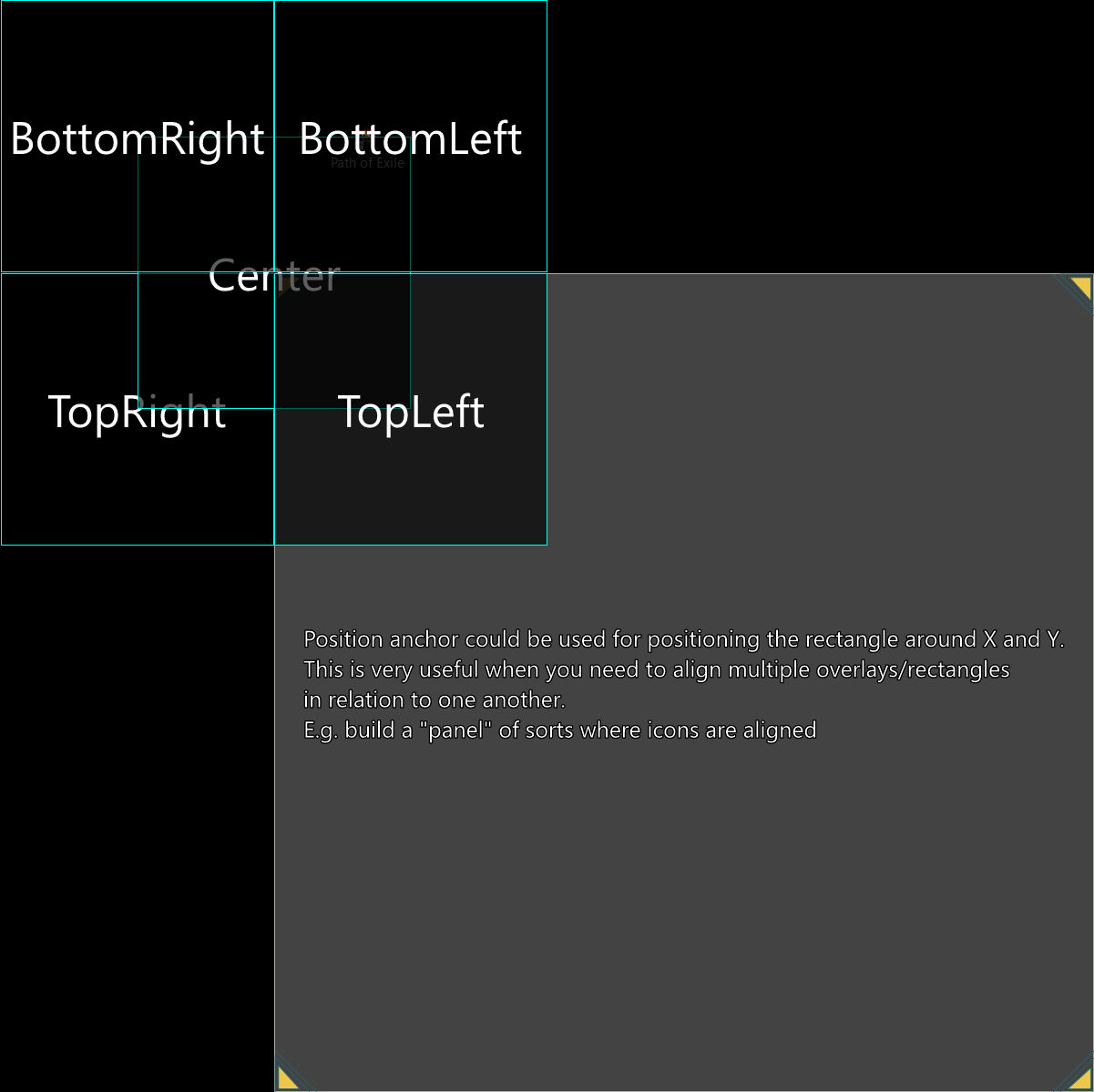
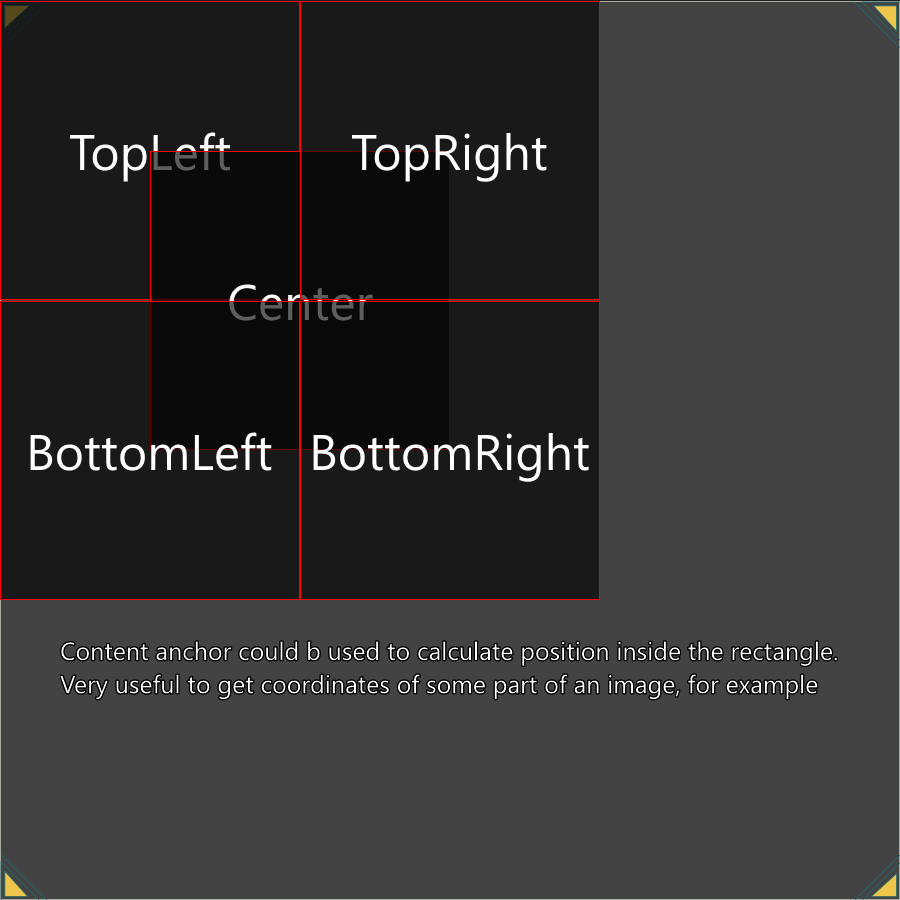
Content/Position anchors were not being savedYou can now temporarily disable any action in an Aura by clicking the checkbox next to its name. This is useful for debugging, and it is also available through the scripting system, so you can switch which actions will run based on options the user selected in your Custom UI, config file, and so on.

In 5397, I already made some changes to how anchors work across different EyeAuras screens, but that was not enough to cover some cases, such as clicking the center of an image found with Image Search.
So now we have two different anchor types: Position and Content. This should make the system more flexible, although it may also introduce a bit of confusion.
Here is the main rule:
More details and examples are available at https://wiki.eyeauras.net/en/coordinate-system
In June, the main focus was on improving scripting. Most of the results of this work will become available in August — behavior trees, pathfinding, and visualization.
I’m also actively working on a Diablo 4-related project that will bring together most of the current EyeAuras functionality to demonstrate what it is already capable of. Because of that, most of the systems I implement for that bot will also be released to all users as soon as their API is stable.
I’ll publish a detailed post once those features are ready for public use. If you’d like to try some of them earlier, feel free to contact me directly.
A lot has changed in the Wiki: https://wiki.eyeauras.net/en/home
HotkeyIsActive, allowing the user to quickly change the capture area by pressing a hotkey and dragging the overlay somewhere on the screenAnchors are the coordinate system used anywhere you need to select an area — screen regions, image regions, and so on.
The idea is simple: by choosing different reference points, you can easily align capture or output areas relative to one another.
More details and examples are available here: https://wiki.eyeauras.net/en/coordinate-system
This is a fairly niche feature available in the settings that lets you redirect all user input through a specific simulator.


